If you’ve started researching boarding schools in India for your child, you’ve probably noticed how wide the range actually is — annual fees among India’s most established residential schools currently span roughly ₹7 lakh to over ₹15 lakh, and boards range from CBSE to ICSE to full international curricula like IB and Cambridge. That’s a lot of ground to cover before you’ve even shortlisted three schools. Separately, research compiled by the U.S.-based Association of Boarding Schools (TABS) found that boarding students were significantly more likely to reach top management roles by mid-career and to go on to earn advanced degrees compared with day-school and public-school peers. [Source: TABS survey data, cited via Army and Navy Academy, armyandnavyacademy.org]
This guide is built to make that research process easier. We’ll cover why parents choose a boarding school in India, what actually separates a good residential school from a mediocre one, how international boards compare with ICSE and CBSE, and a ranked, detailed look at the top 10 boarding schools in India — with real fees, ratings, and differentiators, not brochure copy.
Ranked Top 10 Best Boarding Schools in India | Admissions 2027-28
Note on fees and ratings: These figures were researched and compiled with the help of AI tools, drawing on each school’s official fee structures where published, and verified third-party listings elsewhere. As fees change periodically, we recommend confirming exact current figures directly with each school’s admissions office before applying.
Established: 1935 · Affiliation: ICSE/ISC, IB, IGCSE · Gender: Boys Often called the “Eton of India,” The Doon School is widely regarded as one of the best boarding schools in India, with nearly nine decades of academic excellence and leadership development. Established in 1935, the school offers a unique blend of ISC, IGCSE, and IB curricula on a sprawling 70-acre campus in Dehradun, providing students with both national and international academic pathways. Its distinguished alumni include former Prime Minister Rajiv Gandhi, Olympic gold medallist Abhinav Bindra, and several leading entrepreneurs, diplomats, and public figures. Life at Doon extends well beyond the classroom, making it one of the top boarding schools for holistic education. Students participate in over 40 clubs and societies, competitive sports, theatre, music, debating, community service, and outdoor education programmes that foster confidence, independence, and leadership. Combined with world-class academic facilities, modern boarding houses, and a strong house system, The Doon School continues to set the benchmark for premium boarding schools in India. Best for: Families prioritising maximum global brand recognition and a multi-board (ISC/IB/IGCSE) academic offering, for boys. Established: 1957 · Affiliation: CISCE, Cambridge · Gender: Girls Founded in 1957, Welham Girls’ School has earned a reputation as one of the best boarding schools in India for girls, combining academic excellence with a strong emphasis on character development and leadership. Located in Dehradun, the school offers CISCE and Cambridge curricula, supported by experienced faculty, modern learning spaces, and a nurturing residential environment. Its accomplished alumnae include Meira Kumar, Priyanka Gandhi Vadra, Kareena Kapoor Khan, and numerous leaders across business, public service, and the arts. Student life at Welham focuses on developing confident, independent young women through academics, sports, creative arts, community service, and leadership opportunities. Six residential houses, well-equipped laboratories, sports facilities, performing arts programmes, and comprehensive pastoral care create a balanced boarding experience. For families seeking a legacy institution with a proven record of empowering girls, Welham remains one of the top choices. Best for: Families seeking a legacy all-girls institution with a genuinely proven alumnae outcomes record. Established: 1999 · Affiliation: CAIE (Cambridge Lower Secondary + IGCSE), CISCE (ICSE + ISC)· Gender: Girls Established in 1999, Hopetown Girls’ School has rapidly emerged as one of the best boarding schools in India by offering an exceptional blend of academic flexibility and holistic education. Located in the serene foothills of Selaqui, Dehradun, the fully residential school uniquely combines Cambridge Lower Secondary, IGCSE, ICSE, ISC, AP Examinations, and Trinity College programmes under one campus. This diverse academic offering allows students to pursue pathways aligned with both Indian and international higher education goals. Beyond academics, Hopetown provides a vibrant residential experience focused on leadership, creativity, and personal growth. Students benefit from dedicated career counselling, sports, theatre, creative arts, educational journeys, and community engagement, supported by a secure 50-acre campus with modern residential houses and healthcare facilities. Its growing network of alumni at IITs, NIFT, PwC, Airtel Africa, and leading global universities reinforces Hopetown’s position among the top boarding schools in India for girls. Set in the Selaqui foothills near Dehradun, it pairs this academic breadth with dedicated career counselling, a genuine emphasis on holistic development (sports, theatre, creative arts, mid-term educational journeys), and alumnae outcomes spanning the IITs and organisations like PwC, NIFT, and Airtel Africa. Best for: Families who want the flexibility of two globally recognised boards under one roof, in a fully residential, all-girls, safety-first environment. Established: 1856 · Affiliation: IB · Gender: Co-ed, international Established in 1856, Woodstock School is one of Asia’s oldest international residential schools and is widely recognised among the best boarding schools in India for its global outlook. Located in the hills of Mussoorie, the school follows the International Baccalaureate (IB) curriculum and welcomes students from over 30 nationalities, creating a diverse and multicultural learning environment. Its low student-teacher ratio, inquiry-based education, and emphasis on critical thinking make it a preferred choice for families seeking an internationally recognised education. Beyond academics, Woodstock offers a vibrant campus life centred on leadership, creativity, and outdoor learning. Students participate in global exchange programmes, performing arts, athletics, environmental initiatives, and community engagement, while benefiting from modern boarding facilities and personalised pastoral care. For families looking for an internationally focused residential experience, Woodstock consistently ranks among the favorite choices. Best for: Families prioritising a genuinely international peer group, IB curriculum, and one of the lowest student-teacher ratios on this list. Established: 1875 · Affiliation: CBSE, Cambridge (IGCSE) · Gender: Boys Established in 1875, Mayo College is one of the oldest and most prestigious boarding schools, originally founded to educate the princely families of the country. Today, it combines this remarkable heritage with a modern educational approach through CBSE and Cambridge IGCSE curricula. Spread across an iconic heritage campus in Ajmer, the school continues to uphold traditions of excellence while embracing innovation through advanced learning facilities, including AI and robotics laboratories. Mayo College offers a rich residential experience that balances academics with leadership, sports, equestrian training, adventure activities, music, and performing arts. Its extensive campus, well-developed house system, and emphasis on discipline and all-round development have produced generations of leaders across government, defence, business, and the arts. Best for: Families wanting a historically prestigious, heritage boarding school for boys with a modernising academic offering. Established: 1847 · Affiliation: CBSE · Gender: Co-ed Founded in 1847, The Lawrence School, Sanawar is among the oldest continuously operating boarding schools in India and is widely recognised as one of the country’s finest co-educational residential institutions. Nestled amidst the Himalayan foothills near Kasauli, the school follows the CBSE curriculum while preserving more than 175 years of academic tradition and excellence. Its selective admission process, scenic campus, and King’s Colours distinction reflect its enduring national and international reputation. Life at Sanawar is centred around character building, leadership, and experiential learning. Students enjoy extensive opportunities in sports, mountaineering, performing arts, community service, and outdoor education, all supported by excellent residential facilities and a strong house culture. Best for: Families seeking one of India's oldest genuinely co-educational boarding schools with a rigorous, selective admissions process. Established: 1897 · Affiliation: CBSE · Gender: Boys Founded in 1897, The Scindia School is one of the most respected residential schools in India, known for combining more than a century of educational excellence with modern teaching practices. Perched atop the historic Gwalior Fort, the school follows the CBSE curriculum and has built a strong reputation for academic achievement, leadership development, and producing successful alumni across business, politics, defence, and public service. Its expansive campus and long-standing traditions continue to attract students from across India and abroad. Student life at Scindia extends well beyond academics, with equal emphasis on sports, debating, music, theatre, innovation, and community service. Modern facilities, including VR-enabled classrooms, advanced laboratories, and extensive sports infrastructure, complement its well-established house system and mentorship culture. Best for: Families in Central India seeking a historically significant CBSE boarding school for boys with a large, well-resourced campus. Established: 1937 · Affiliation: CBSE · Gender: Boys Established in 1937, Welham Boys’ School has earned its place among the top residential schools in India through nearly nine decades of academic excellence and character-building education. Located in Dehradun, the school follows the CBSE curriculum and is known for maintaining high academic standards while nurturing leadership, discipline, and personal growth. Its rich legacy and consistent reputation have made it one of the country’s most sought-after residential schools for boys. Life at Welham Boys’ is designed to encourage students to excel both inside and outside the classroom. A strong emphasis on sports, NCC, debating, music, community service, and leadership opportunities helps students develop confidence and resilience alongside academic success. Supported by excellent boarding facilities, dedicated faculty, and a vibrant house system, Welham continues to be recognised amongst the top schools. Best for: Families wanting an established CBSE boarding school for boys at a comparatively moderate fee point relative to Dehradun's other legacy institutions. Established: 1859 · Affiliation: ICSE, IGCSE, Cambridge · Gender: Boys Founded in 1859, Bishop Cotton School is one of Asia’s oldest boys’ residential institutions and has long been regarded as one of the best boarding schools in India. Situated amidst the scenic hills of Shimla, the school offers ICSE, ISC, and Cambridge programmes while preserving a proud tradition of academic excellence, discipline, and leadership. It is also credited with introducing the house system in India, a model that continues to shape student life across many leading residential schools today. The school provides a well-rounded boarding experience through academics, sports, mountaineering, performing arts, leadership programmes, and community activities. Students benefit from historic yet modern campus facilities, experienced faculty, and a close-knit residential community that encourages independence and lifelong friendships. Best for: Families wanting a historic, house-system-pioneering boys' boarding school with strong ICSE/Cambridge academics at a relatively accessible fee point. Established: 1869 (originally Diocesan Boys’ High School) · Affiliation: ICSE · Gender: Co-ed Established in 1869, Sherwood College is one of the oldest co-educational boarding schools in India, renowned for its rich heritage and picturesque hill-campus in Nainital. Affiliated with the CISCE board, the school has consistently balanced strong academics with a commitment to character development, leadership, and all-round education. Over the decades, it has produced distinguished alumni across cinema, literature, business, the armed forces, and public service, further strengthening its national reputation. Student life at Sherwood is centred around its vibrant house culture, extensive sports programme, performing arts, literary activities, and leadership opportunities that encourage holistic development. Supported by modern classrooms, laboratories, libraries, and quality residential facilities, students experience a nurturing environment that prepares them for higher education and life beyond school. Best for: Families seeking a historic, genuinely co-educational ICSE boarding school at the more accessible end of this list's fee range.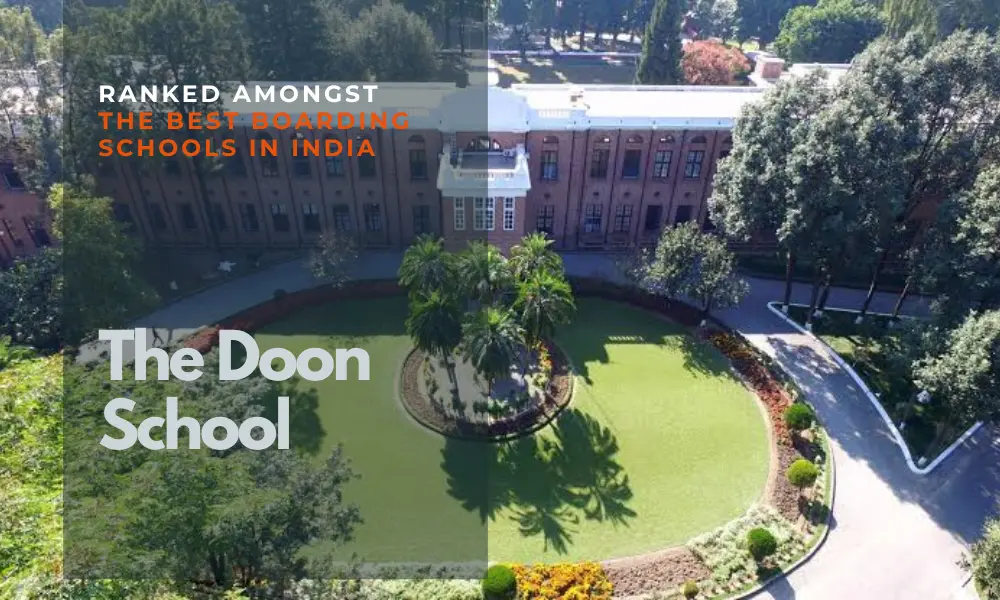
The Doon School
Curriculum ICSE/ISC (CISCE), IB, IGCSE Grades VII to XII Fees (per year) ₹14,54,000 to ₹16,54,000 Location Dehradun, Uttarakhand Facilities 70-acre campus, 40+ extracurricular activities, extensive sports and arts infrastructure 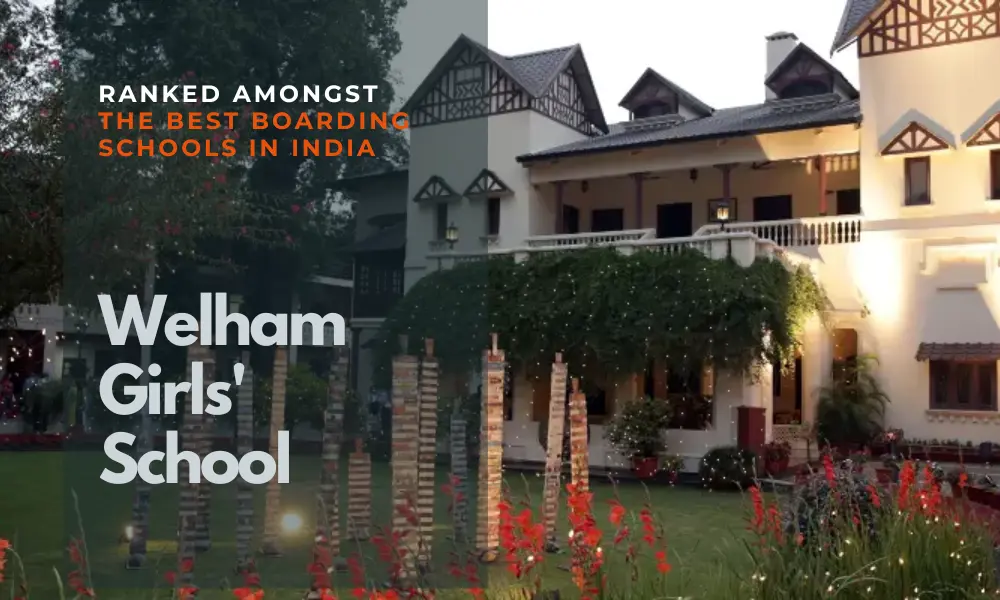
Welham Girls' School
Curriculum CISCE (ICSE/ISC), Cambridge Grades VI to XII Fees (per year) ₹11,10,000 to ₹13,00,000 Location Dehradun, Uttarakhand Facilities 29 ICT-enabled classrooms, 10 labs, six boarding houses, infirmary 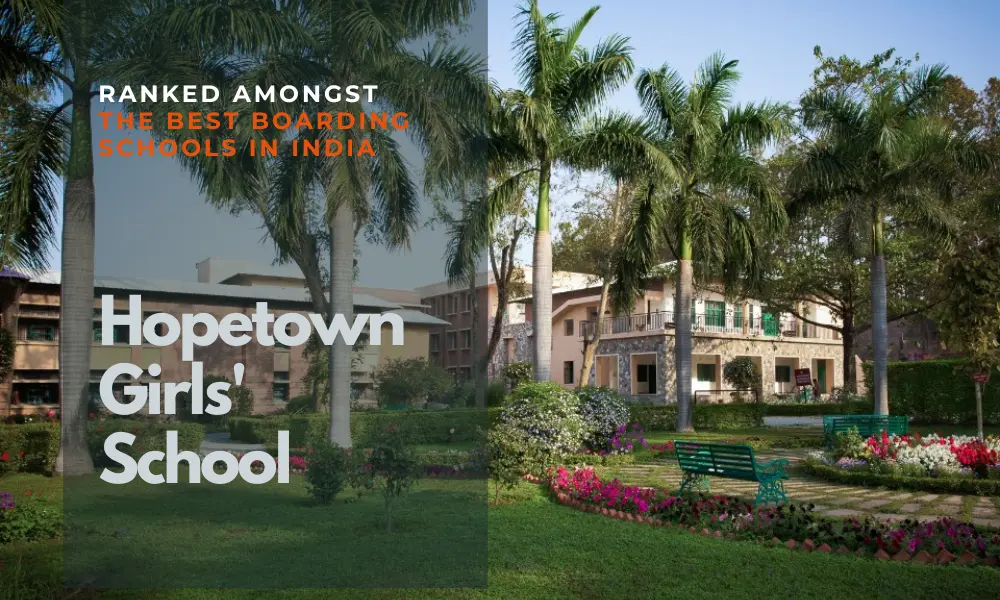
Hopetown Girls' School
Curriculum CAIE (Cambridge Lower Secondary, IGCSE), CISCE (ICSE, ISC), AP (College Board), Trinity College Grades VI to XII Fees (per year) ₹10,30,000 Location Rajawala Road, PO Selaqui, Dehradun – 248011, Uttarakhand Facilities 50+ Acre School Campus, Science & computer labs, theatre,sports, creative arts studios, medical centre, residential houses 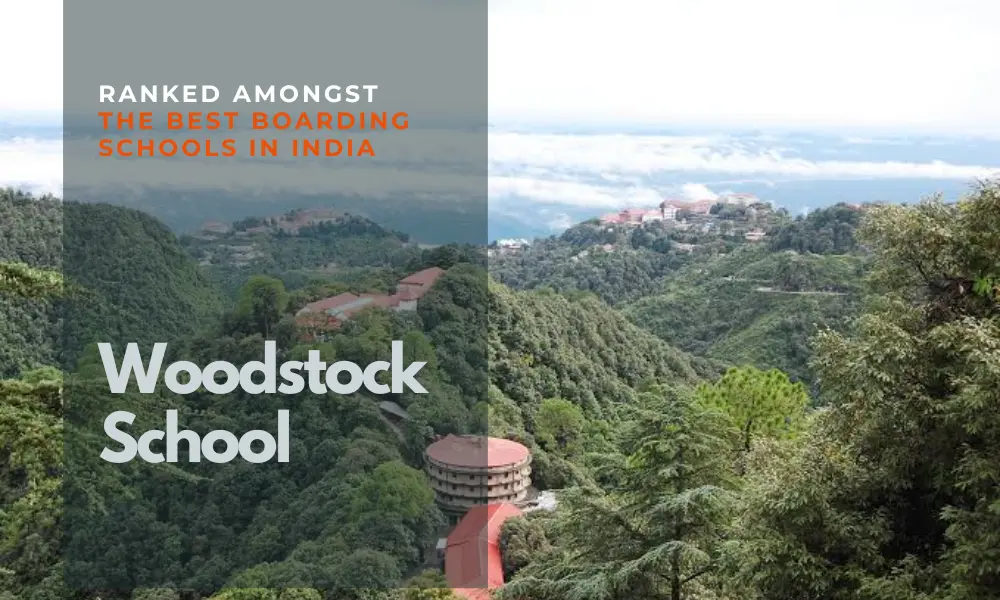
Woodstock School
Curriculum IB Grades VI to XII Fees (per year) ₹28,66,000 to ₹30,86,000 Location Mussoorie, Uttarakhand Facilities Hill-station campus, global exchange programmes, 6:1 student-teacher ratio 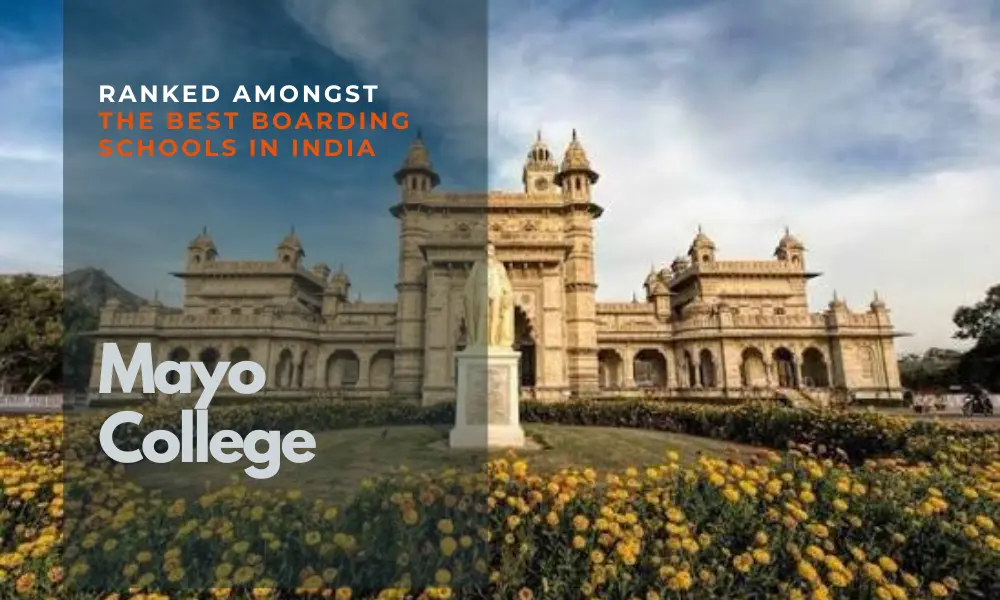
Mayo College
Curriculum CBSE, Cambridge (IGCSE) Grades IV to XII Fees (per year) ₹11,52,000 Location Ajmer, Rajasthan Facilities Heritage campus, AI lab, robotics facilities, equestrian sport, extensive co-curricular programme 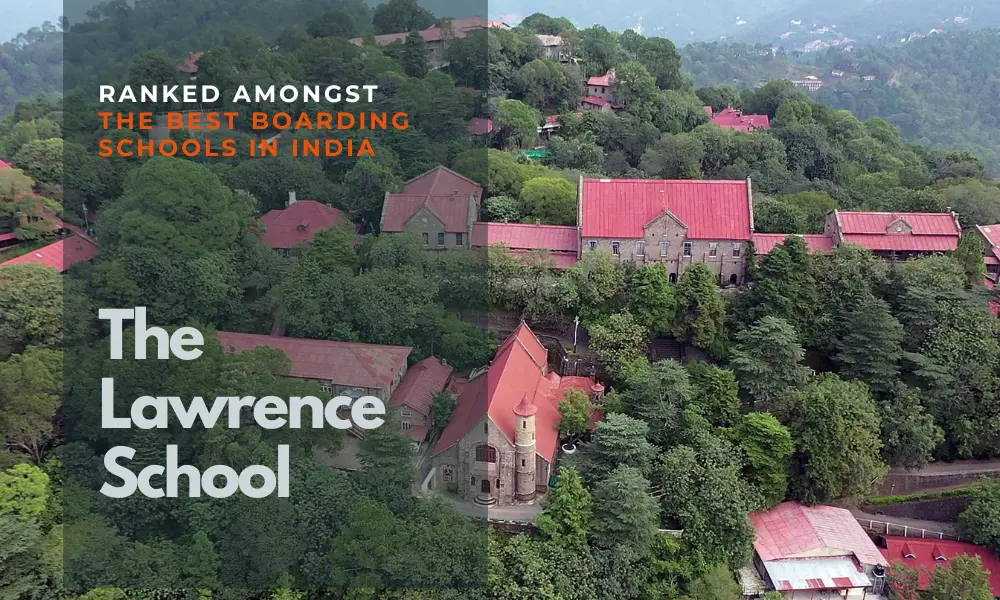
The Lawrence School, Sanawar
Curriculum CBSE Grades V to XII Fees (per year) ₹17,09,000 to ₹18,65,800 Location Sanawar, Kasauli, Himachal Pradesh Facilities Heritage campus, extensive sports programme, King's Colours-recognised infrastructure 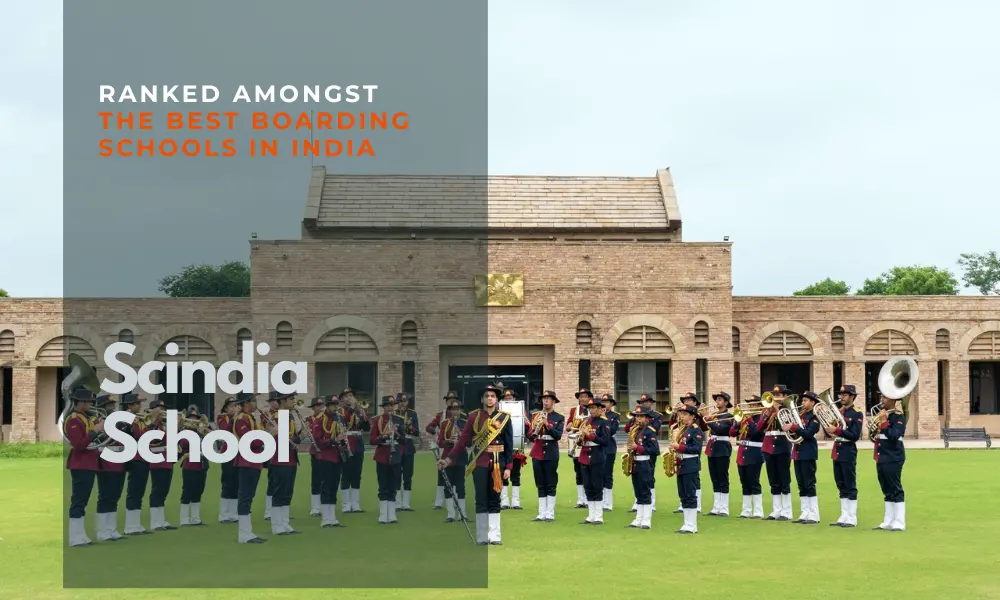
The Scindia School
Curriculum CBSE Grades VI to XII Fees (per year) ₹18,21,500 Location Gwalior, Madhya Pradesh Facilities 110-acre campus, VR classrooms, extensive sports infrastructure 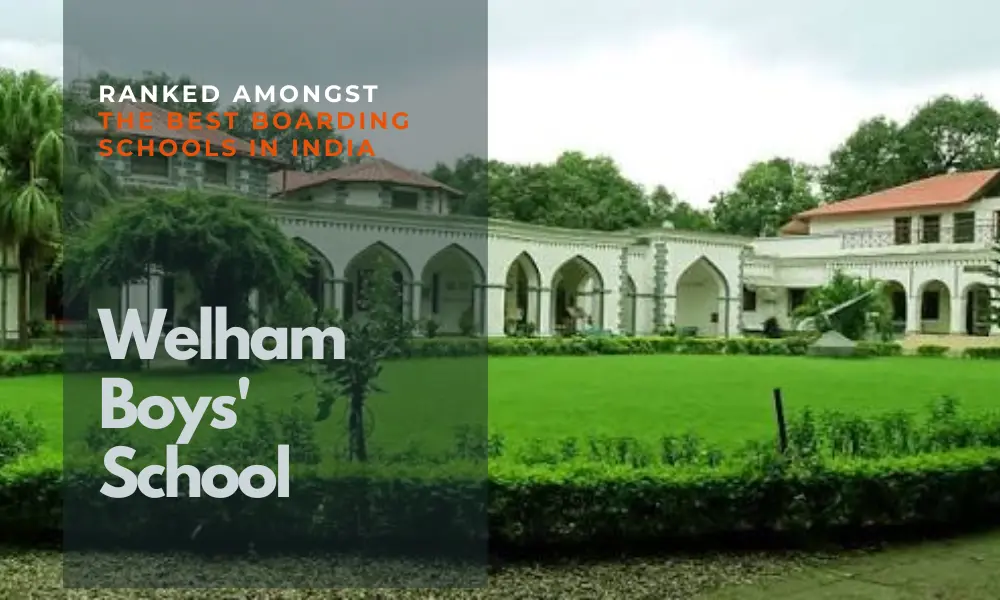
Welham Boys' School
Curriculum CBSE Grades IV to XII Fees (per year) ₹12,00,000 and ₹14,00,000 Location Dehradun, Uttarakhand Facilities Sports fields, NCC training, music and debate programmes 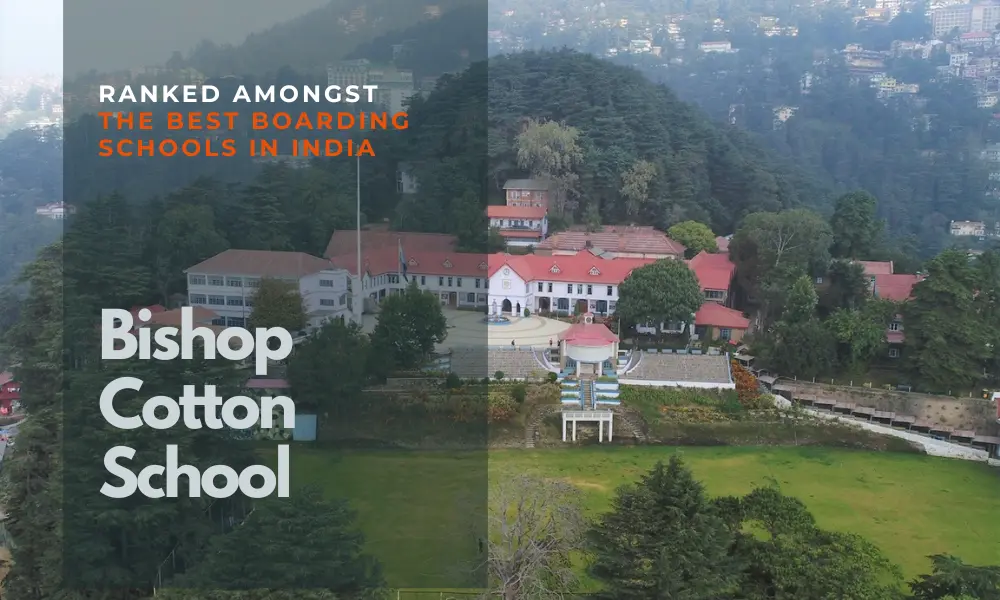
Bishop Cotton School
Curriculum ICSE/ISC (CISCE), IGCSE, Cambridge Grades IV to XII Fees (per year) ₹11,60,000 to ₹12,15,000 Location Shimla, Himachal Pradesh Facilities Historic campus, extensive sports (including mountaineering), house system 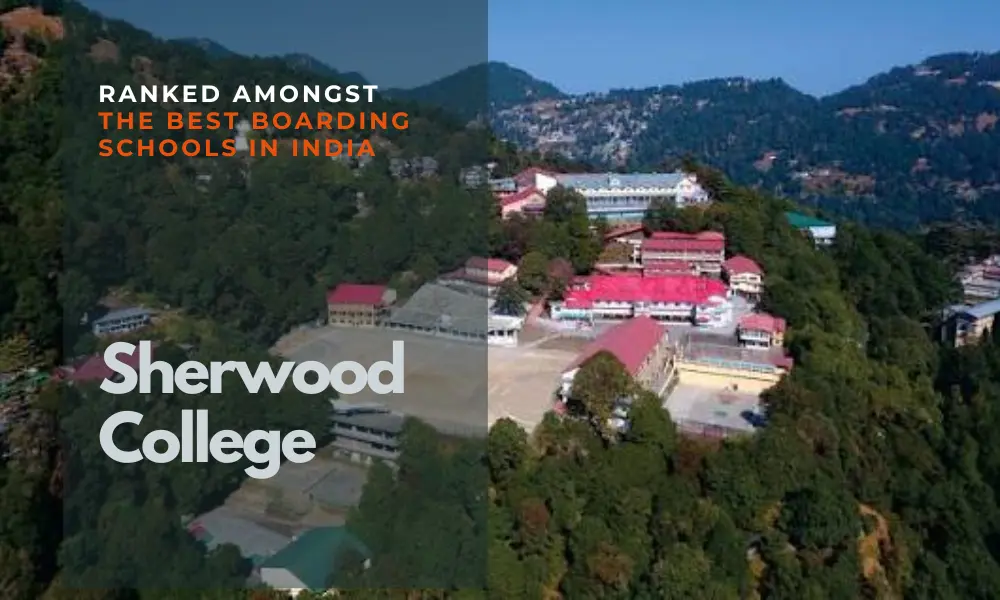
Sherwood College
Curriculum ICSE (CISCE) Grades III to XII Fees (per year) ₹6,50,000 to ₹7,07,000 Location Nainital, Uttarakhand Facilities 45-acre campus, globally competitive academic and sports infrastructure
International Boards vs ICSE vs CBSE: Quick Comparison for Boarding Schools
| Factor | International Boards (IB / Cambridge) | ICSE / ISC (CISCE) | CBSE |
|---|---|---|---|
| Best suited for | Students likely to study abroad or want an internationally benchmarked curriculum | Students who want strong English, humanities, and a well-rounded Indian board with global recognition | Students preparing for JEE/NEET and other India-specific competitive exams |
| Recognition | Global — accepted by universities worldwide | Recognised in India and by many universities abroad | Recognised in India; increasingly accepted abroad |
| Assessment style | Inquiry-based (IB) or coursework + terminal exams (Cambridge), skills-focused | Detailed, essay-based, strong emphasis on English and internal assessment | Objective + subjective mix, aligned to NCERT syllabus |
| Availability among Indian boarding schools | Fewer schools; concentrated among premium/international-facing institutions | Common among India’s oldest, most established boarding schools | Most widely available — CBSE affiliates the majority of India’s residential schools |
| Good to know | Verify via the official IB school directory or Cambridge International school finder | Verify affiliation on the CISCE website | Verify affiliation on the CBSE website |
Sources: International Baccalaureate school finder — ibo.org, Cambridge International school finder — cambridgeinternational.org, CISCE — cisce.org, CBSE — cbse.gov.in
Fee Comparison at a Glance
| School | Location | Board | Approx. Annual Fees |
|---|---|---|---|
| The Doon School | Dehradun, UK | ICSE/ISC, IB, IGCSE | ₹14,54,000 – ₹16,54,000 |
| Welham Girls’ School | Dehradun, UK | CISCE, Cambridge | ₹11,10,000 – ₹13,00,000 |
| Hopetown Girls’ School | Dehradun, UK | CAIE, CISCE, AP | ₹10,30,000 |
| Woodstock School | Mussoorie, UK | IB | ₹28,66,000 – ₹30,86,000 |
| Mayo College | Ajmer, RJ | CBSE, Cambridge | ₹11,52,000 |
| The Lawrence School, Sanawar | Solan, HP | CBSE | ₹17,09,000 – ₹18,65,800 |
| The Scindia School | Gwalior, MP | CBSE | ₹18,21,500 |
| Welham Boys’ School | Dehradun, UK | CBSE | ₹12,00,000 – ₹14,00,000 |
| Bishop Cotton School | Shimla, HP | ICSE, IGCSE, Cambridge | ₹11,60,000 – ₹12,15,000 |
| Sherwood College | Nainital, UK | ICSE | ₹6,50,000 – ₹7,07,000 |
Across this list of established Indian boarding schools, the annual fee currently ranges from roughly ₹7 lakh at the lowest to over ₹15 lakh at the highest — always confirm the exact, current breakdown (tuition, boarding, deposits, uniforms) directly with each school’s admissions office before applying.
Why Choose a Boarding School in India?
Safety, structured rather than assumed
A well-run residential school isn’t a hostel bolted onto a school — it’s a closed, supervised ecosystem: dedicated wardens and house parents, 24/7 on-campus medical staff, restricted and logged campus entry, and a routine supervised from wake-up to lights-out. This is structurally different from a day school, where a child’s safety outside school hours sits entirely outside the institution’s responsibility.
Confidence built through independence
Living away from home means a child manages their own routine, belongings, friendships, and time — without a parent stepping in to smooth every rough edge. Parents and alumni consistently describe this as producing a more self-assured, capable version of their child by the time they finish school, compared to peers who commuted from home throughout.
Academic rigour with fewer daily distractions
Structured study hours, peer accountability, and a campus built entirely around the academic calendar tend to produce more consistent outcomes than a commute-heavy day-school routine. TABS survey data found that 9 out of 10 boarding students described their school as academically challenging, compared with roughly 5 out of 10 public-school students, and that boarding students typically spend close to twice as many weekly hours on homework. [Source: TABS survey, cited via Army and Navy Academy, armyandnavyacademy.org]
Independence that’s supervised, not sudden
Boarding is often a child’s first real experience of managing their own time, money, and conflicts — but within a safety net of house parents, wardens, and counsellors, not entirely alone. Parents frequently point to this as the clearest maturity gap between their boarding-school child and day-school peers by the final years of secondary school.
What to Look for in a Residential School
Before you shortlist, run every school through these filters:
- Curriculum fit with your child’s future path. Is India-based higher education the plan (CBSE/ICSE), or is an international pathway more likely (IB/Cambridge)? A small number of schools now offer more than one board in parallel, which keeps options open longer.
- Genuine safety infrastructure, not brochure language. Ask for the student-to-warden ratio, medical staffing (is there a resident nurse or doctor?), and the CCTV/entry-log policy in writing.
- Pastoral care and counselling access. A residential school without a full-time counsellor on campus is a real gap in 2026 — homesickness, academic pressure, and adolescent mental health all need a trained first point of contact.
- Fully residential vs. day-cum-boarding. Some well-known “boarding schools” are actually day-cum-boarding, with the majority of students commuting daily and boarding available as an option. Confirm which model you’re evaluating — the daily rhythm and peer group differ significantly.
Track record, not just brand name. Ask for real outcomes — university placements, board exam trends over 3+ years, and facilities you can walk into and verify, not just prospectus photography.
State/Region-Wise Location Guide
- Dehradun, Uttarakhand: India’s single largest concentration of boarding schools — home to The Doon School, Welham Girls’, Welham Boys’, and Hopetown, among others, thanks to the region’s climate, safety perception, and decades-long boarding-school culture.
- Mussoorie, Uttarakhand: A hill-station cluster including Woodstock School, known for a genuinely international, multicultural student body.
- Nainital, Uttarakhand: Home to Sherwood College, one of India’s oldest continuously running residential schools.
- Ajmer, Rajasthan: Anchored by the historic Mayo College, built originally to educate royal heirs.
- Sanawar/Kasauli, Himachal Pradesh: Home to The Lawrence School, one of the world’s oldest co-educational boarding schools.
- Shimla, Himachal Pradesh: Bishop Cotton School anchors this region, with deep Anglo-Indian heritage.
- Gwalior, Madhya Pradesh: The Scindia School serves Central India with over a century of legacy.
Questions to Ask Before Admitting Your Child
- Is the school fully residential, or day-cum-boarding with boarding as a secondary option? Confirm this explicitly.
- What is the exact student-to-warden ratio, particularly overnight?
- Is there a resident doctor or nurse, and what’s the protocol for a medical emergency after hours?
- How often, and through what channel, can you speak with your child, and how is homesickness handled in the first term?
- What’s included in the quoted fee, and what’s billed separately (uniforms, trips, exam fees, deposits)?
- Can you see three years of board exam results and university placement data, not just headline toppers?
- What’s the admission and withdrawal policy if things aren’t working out in the first term?
Frequently Asked Questions
1. What is the difference between a boarding school and a day-cum-boarding school? A fully residential boarding school has students living on campus full-time as the default model, with academics, meals, and daily routine entirely managed by the school. A day-cum-boarding school has most students commuting daily as day scholars, with boarding available as an option rather than the primary model — the daily rhythm, peer group, and pastoral support differ meaningfully between the two, so it’s worth confirming which model a specific school actually follows.
2. How much does a boarding school cost in India? Fees vary widely by school and board. Among India’s most established residential schools, annual fees currently range from roughly ₹7 lakh to over ₹30 lakh, depending on curriculum, location, and facilities. Always request an itemised breakdown — tuition, boarding, deposits, and uniforms are often quoted separately.
3. How can parents choose the best boarding school for their child? Focus on curriculum fit with your child’s future academic path, genuine safety infrastructure (verified staffing ratios and protocols, not brochure claims), pastoral care and counselling access, whether the school is fully residential or day-cum-boarding, and a real, verifiable track record of academic and placement outcomes over several years.
4. How do Indian boarding schools compare to boarding schools abroad (UK, Switzerland, etc.)? Indian boarding schools are generally significantly more affordable than equivalent institutions in the UK or Switzerland, while several — including Doon School, Woodstock, and Mayo College — offer internationally recognised curricula like IB and Cambridge. Indian schools also tend to have a stronger emphasis on Indian cultural context alongside global academic standards, which some families specifically prefer over a fully Western boarding environment.
5. What is the admission process for boarding schools in India? Most schools follow a similar sequence: registration and document submission, an entrance assessment (often for English, maths, and science), a parent-child interview, review of academic and medical records, an offer of admission, and fee payment to confirm enrolment. Entry points are often restricted to specific grades, so it’s worth checking this early with each shortlisted school.
6. What is the right age to send a child to a boarding school? Most Indian boarding schools accept new students from around Class IV-VI (roughly age 9-11), with additional entry points at Class IX or XI. Readiness matters more than age alone — look for a child who can manage a daily routine with some independence and has had some prior experience being away from home, rather than relying purely on a birthday.
7. Which board is better for boarding schools: CBSE, ICSE, IB, or Cambridge? There’s no universally “better” board — it depends on your child’s likely academic path. CBSE suits students preparing for India-specific competitive exams like JEE/NEET; ICSE offers strong English and humanities grounding with wide recognition; IB and Cambridge suit students likely to study abroad or who want an internationally benchmarked curriculum. A small number of schools, including Hopetown, now offer more than one board in parallel.
8. Are boarding schools safe for children in India? Reputable boarding schools maintain 24/7 staff supervision, restricted and logged campus access, and on-campus medical care — a structural safety advantage over day schools, where a child’s safety outside school hours falls outside the institution’s responsibility. Safety varies by institution, so parents should verify staffing ratios and protocols directly with each school under consideration.
9. What facilities do the best boarding schools in India provide? Leading Indian boarding schools typically offer science and computer labs, libraries, sports complexes, arts and theatre facilities, on-campus medical centres, and multiple residential houses with dedicated pastoral staff. Some schools also offer specialised facilities like AI labs, equestrian sport, or VR-enabled classrooms.
10. How does boarding school help in a child’s overall development? Boarding schools combine structured academics with daily independence-building — managing routines, time, and relationships without constant parental intervention — alongside dedicated exposure to sports, arts, and leadership opportunities built into the daily schedule. Research from the U.S.-based TABS survey found boarding students reported significantly more access to leadership opportunities than day-school or public-school peers, alongside stronger reported academic engagement. [Source: TABS survey, cited via Army and Navy Academy, armyandnavyacademy.org]
Where to Go Next
If you’re specifically evaluating options for a daughter, our complete guide to girls’ boarding schools in India goes deeper on curriculum, safety checklists, and a ranked comparison of India’s leading girls’ residential schools. And if you’re still weighing whether boarding is the right format at all, our guide on boarding school vs day school in India walks through the research-backed case for both sides.